The categories that actually make a difference in moisture, length retention, and healthier hair
Everybody wants long hair, shiny hair, defined curls, or a silk press that survives outside for more than 7 minutes. But a lot of people are trying to achieve those results without building the foundation first.
Healthy hair usually is not about having the most products. Honestly, some of the best hair routines are pretty boring. Consistency, technique, and understanding what your hair actually needs will take you a lot further than buying every viral product in Sephora because somebody on TikTok had a good wash day.
If your hair could text you directly, these are probably the 5 product categories it would ask for immediately.
1. A Clarifying Shampoo
Your hair cannot thrive under buildup
I think a lot of people believe their hair is dry when it’s actually just coated.
Between oils, edge control, leave-ins, dry shampoo, butters, heat protectants, sweat, and hard water buildup, your hair can get to a point where moisture physically has a harder time getting in. At that point, your products are basically fighting for their lives trying to penetrate the hair shaft.
That’s where a clarifying shampoo comes in.
A good clarifying shampoo helps reset the hair and scalp by removing buildup that your regular moisturizing shampoo may not fully lift. Your hair usually feels lighter, cleaner, and honestly more responsive afterward. I notice my deep conditioners work significantly better when I clarify consistently.
This doesn’t necessarily mean you need to clarify every wash day either. For some people that may be once a month, while others who use a lot of styling products, work out heavily, or have hard water may need it more often.
A clarifying shampoo is one of those products that quietly carries your entire routine.
If it were me...
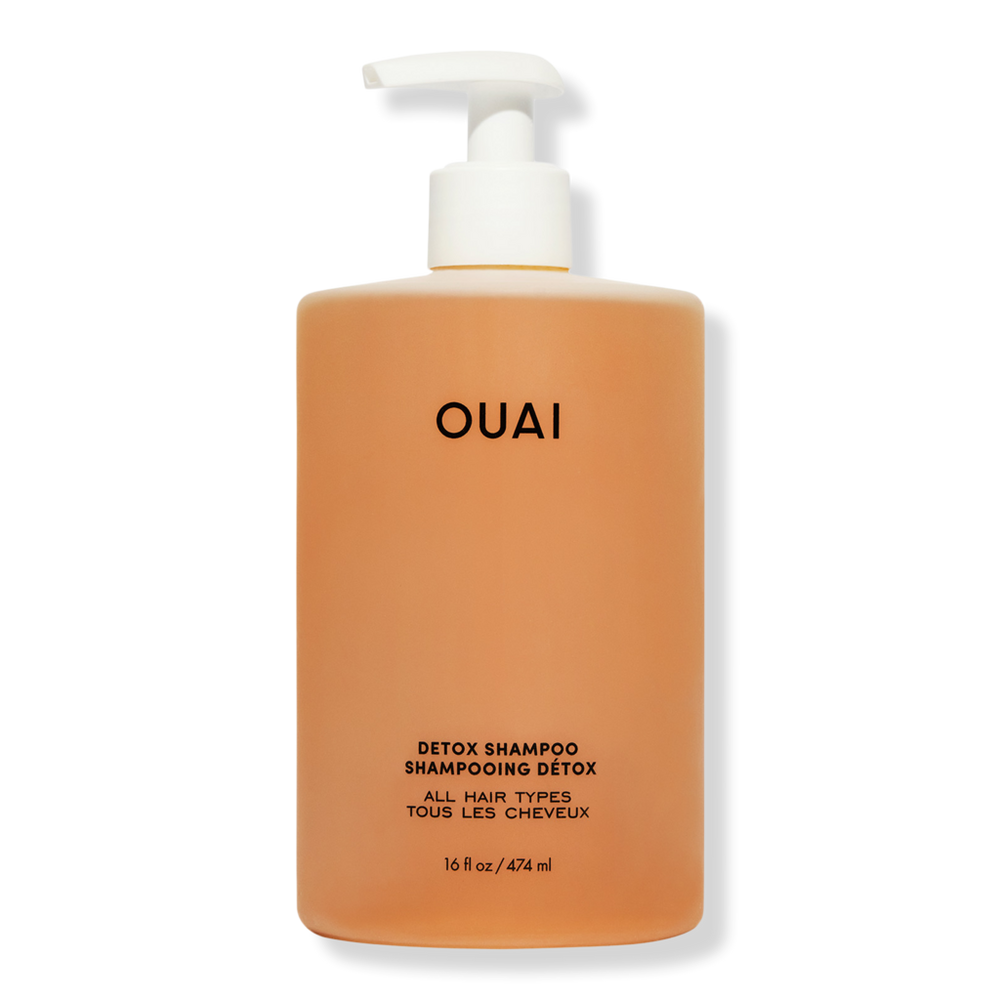
One of my personal favorites is the OUAI Detox Shampoo. I think it’s one of the best all-around clarifying shampoos on the market, especially for people dealing with hard water, heavy product usage, or that coated feeling that makes your hair seem dull no matter what you apply to it. It gives that really satisfying “clean scalp” feeling without making my hair feel completely stripped or tangled afterward. I also feel like it resets my hair in a way where every product I use afterward performs better.
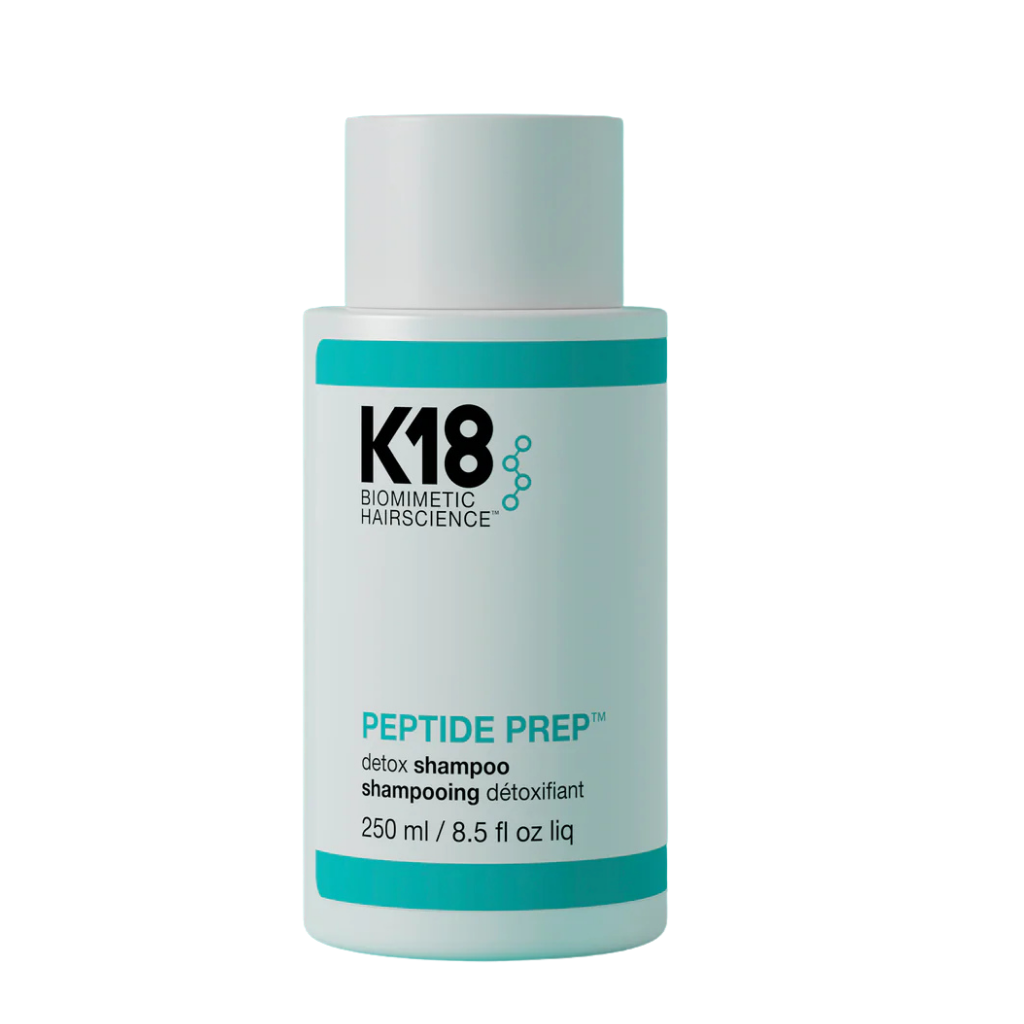
I also really like the K18 Peptide Prep Detox Shampoo, especially for color-treated hair or people who still want a deeper cleanse without feeling like they’re compromising their hair health. This one feels a little more targeted and balanced to me. It removes buildup, excess oil, silicones, and product residue while still feeling mindful of maintaining the overall condition of the hair.
I also feel like this is one of the few clarifying shampoos I could personally use every wash day if I needed to, especially when following up with a moisturizing shampoo afterward, without feeling like my hair is stripped or overly squeaky. Of course, I would only do that during periods where I know I’ve been using heavier styling products than usual or wearing styles that naturally create more buildup week to week. Sometimes that full reset is honestly necessary depending on what you’ve been doing to your hair.
If you heat style, color your hair, or use a lot of styling products regularly, this is a really solid option.
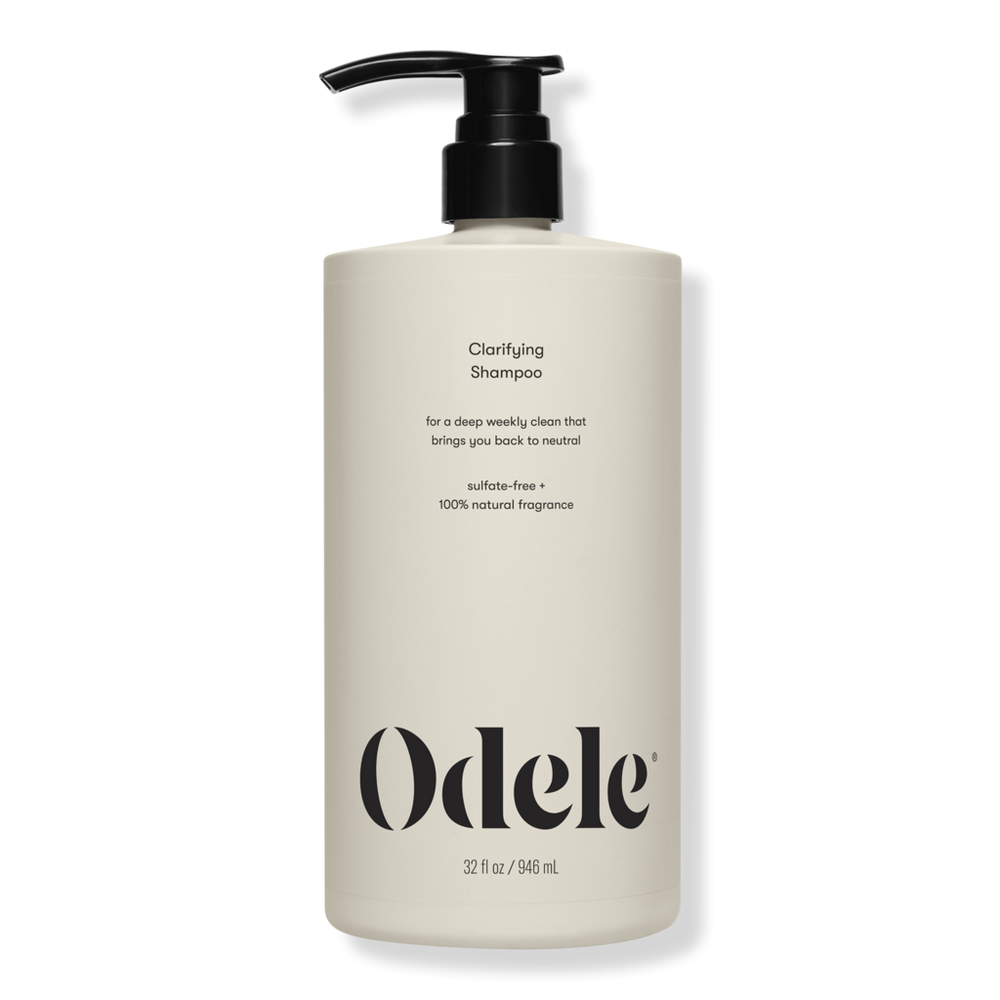
And if you want something more affordable, the Odele Clarifying Shampoo is honestly a great drugstore option that still feels elevated. A lot of cheaper clarifying shampoos can leave the hair feeling squeaky in a bad way, but this one still manages to deeply cleanse while keeping the hair soft and manageable. I also think it’s a good beginner clarifying shampoo for people who are nervous about over-stripping their hair or are just starting to build a healthier hair care routine.
If it were me...
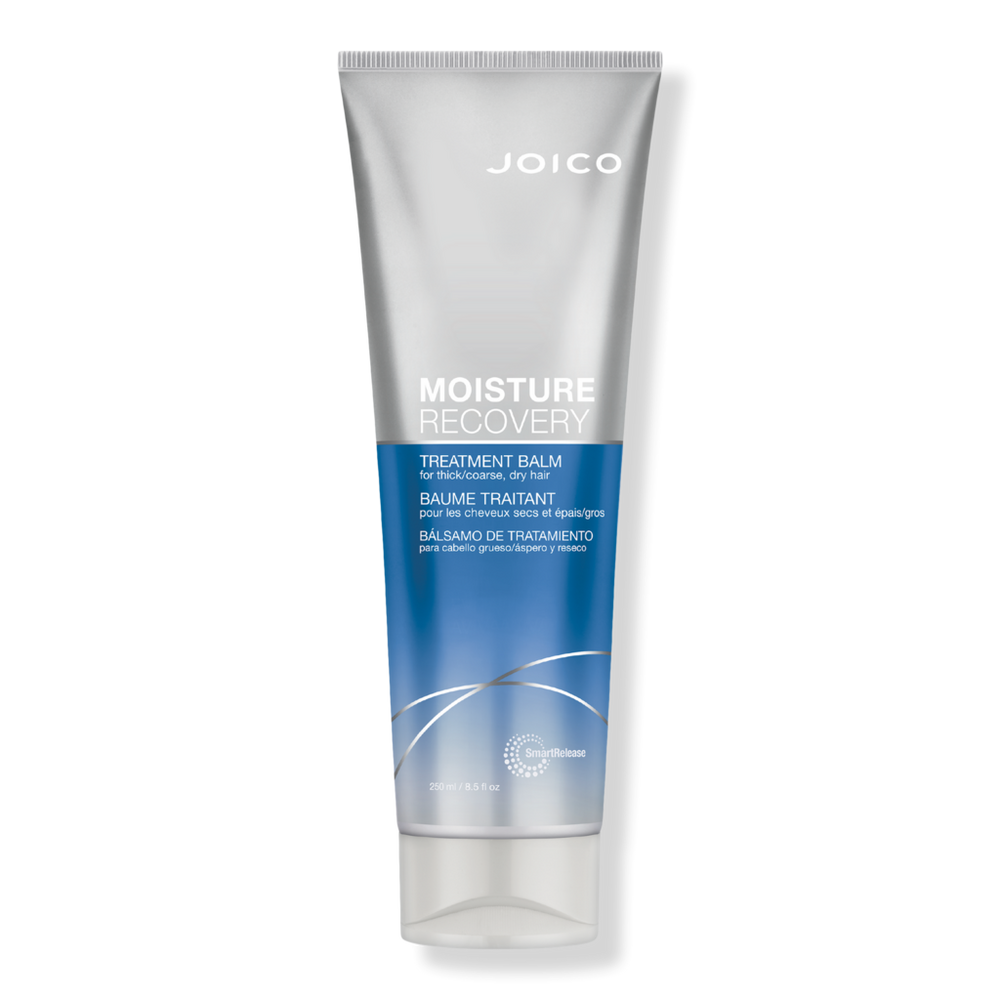
If my hair felt dry, rough, or like it needed softness and movement back, I’d reach for the Joico Moisture Recovery Treatment Balm. This is the type of deep conditioner I think works really well when your hair feels depleted from heat styling, weather changes, or just life in general. It’s rich without feeling overly heavy, and I notice my hair feels softer, smoother, and easier to detangle afterward. I also think this is a really good option for thicker textures or anyone whose hair tends to lose moisture quickly. It also doesn’t hurt that you can almost always find it at TJ Maxx, Marshalls, or Nordstrom Rack for a really good price.
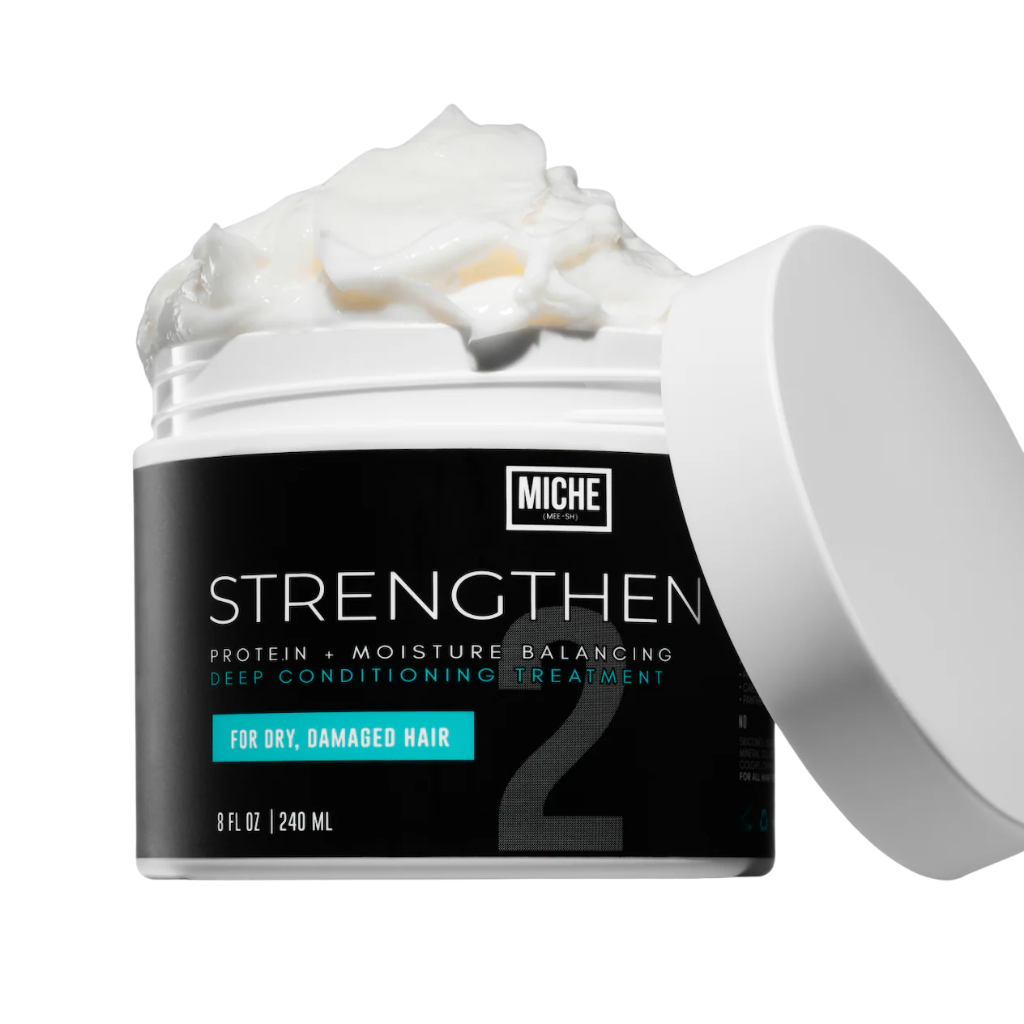
If my hair felt weak, limp, or like it needed moisture and a little structure, I’d reach for the Miche Beauty STRENGTHEN Protein + Moisture Balancing Deep Conditioning Treatment. I like this one because it doesn’t force you into choosing between softness and strength. Sometimes after repeated heat styling, protective styles, shedding, or just a lot of manipulation, my hair needs a balance of both. This treatment feels like it helps support the hair without making it feel stiff or overloaded with protein afterward.
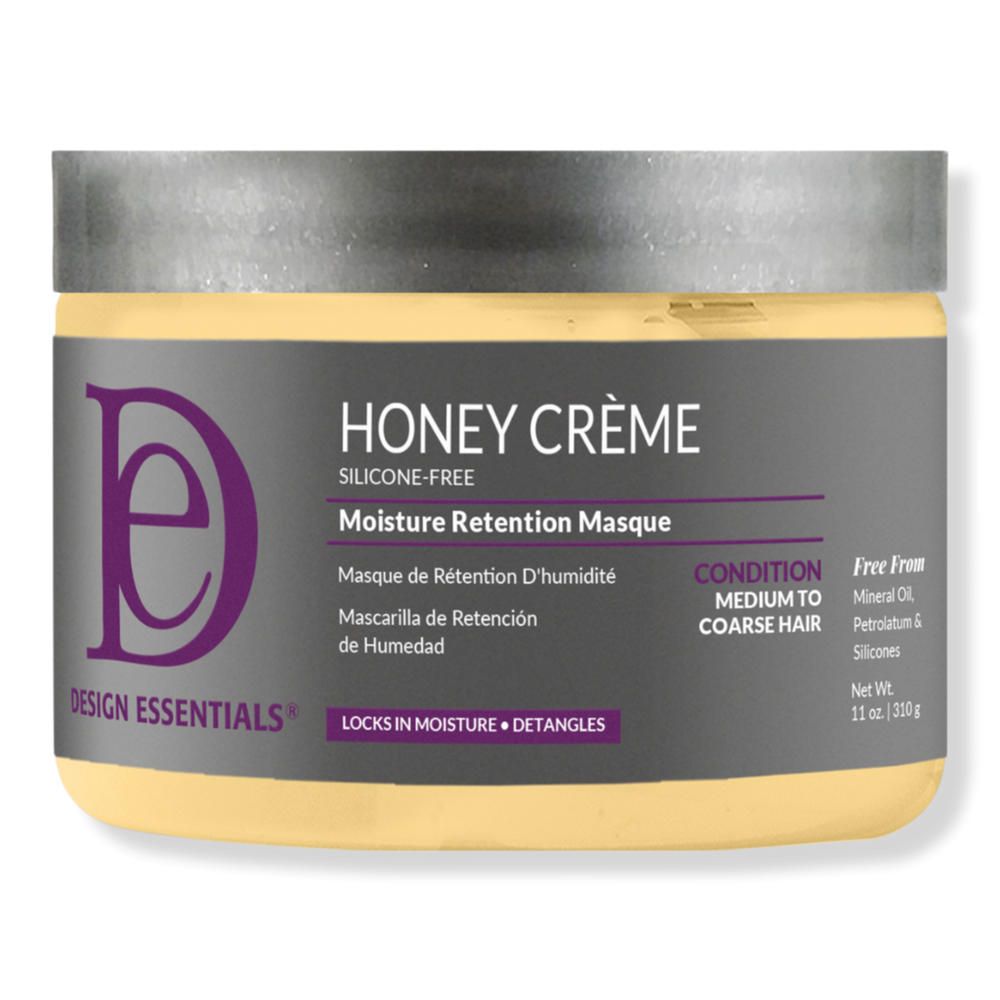
If my hair needed softness, slip, and overall manageability before styling, I’d reach for the Design Essentials Honey Crème Moisture Retention Masque. This feels like one of those dependable staples that just consistently does what it needs to do. I especially like this category of deep conditioner for wash days where detangling needs to be as smooth and low-stress as possible. My hair usually feels hydrated, easier to work through, and more prepared for styling afterward.
2. A Deep Conditioner
Moisture is not optional
There’s a difference between conditioning your hair and deeply conditioning it.
A regular conditioner mainly helps with surface-level softness and manageability after shampooing. A deep conditioner has more time to actually support the hair with moisture, slip, elasticity, and softness. Textured hair especially tends to lose moisture faster because of the bends and curves in the strand structure, so hydration isn’t something most of us can really skip.
I also think people underestimate how much easier moisture makes styling. Your detangling process is easier, your curls have more flexibility, your braid outs look smoother, and your silk presses have more movement when the hair is properly hydrated.
The type of deep conditioner I use honestly depends on what I’m trying to do with my hair. If I’m wearing my hair curly, I usually prioritize moisture and softness. If I’m preparing for heat styling, I still want moisture, but I also want the hair to feel balanced and strong enough to tolerate manipulation.
This is also where heat or steam can make a huge difference. Even something as simple as applying your deep conditioner, putting on a plastic cap, and letting your body heat build underneath it can help the product work better. Heat can help slightly lift the cuticle so the conditioner has a better chance to soften, moisturize, and support the hair instead of just sitting on top of the strand.
This doesn’t mean every wash day needs to become a full spa production either. Sometimes it’s a hooded dryer, sometimes it’s a thermal cap, and sometimes it’s just a plastic cap while you finish the rest of your shower. The point is giving your hair enough time and warmth to actually receive what you’re putting on it.
Your hair usually tells you when it’s lacking moisture too. It starts feeling rough, tangles more easily, loses shine, and becomes harder to manage overall.
3. A Protein Treatment and/or Bond Repair Treatment
These are not the same thing
This is probably one of the biggest points of confusion in hair care right now, and honestly it still confuses me sometimes too because protein treatments and bond repair treatments do overlap in certain ways. They both strengthen and support the hair, just in different — but somewhat similar — ways.
The easiest way I’ve heard it explained was actually from my hairstylist using the example of a ladder. Protein treatments are more like supporting and reinforcing the outside of the ladder, while bond repair treatments focus more on the actual rungs and internal structure holding everything together. They’re both important, but they’re addressing different parts of the hair and different types of damage.
The important thing to understand is that bond repair isn’t simply “protein in better packaging.” They overlap in some ways, but they aren’t interchangeable. Sometimes your hair may need internal support from bond repair, while other times it may just need reinforcement and structure from protein.
I also think people sometimes panic and immediately reach for protein anytime their hair feels damaged, when sometimes the issue is actually moisture imbalance, buildup, or accumulated stress from styling. Too much protein can absolutely make the hair feel stiff, dry, brittle, or overly hard. Hair that feels like straw isn’t always “strong” hair. Sometimes it’s overloaded and needs softness and flexibility back instead.
Healthy hair usually lives somewhere in the balance between moisture and strength. You want the hair to feel supported, but still flexible and touchable.
My stylist's reccomendations
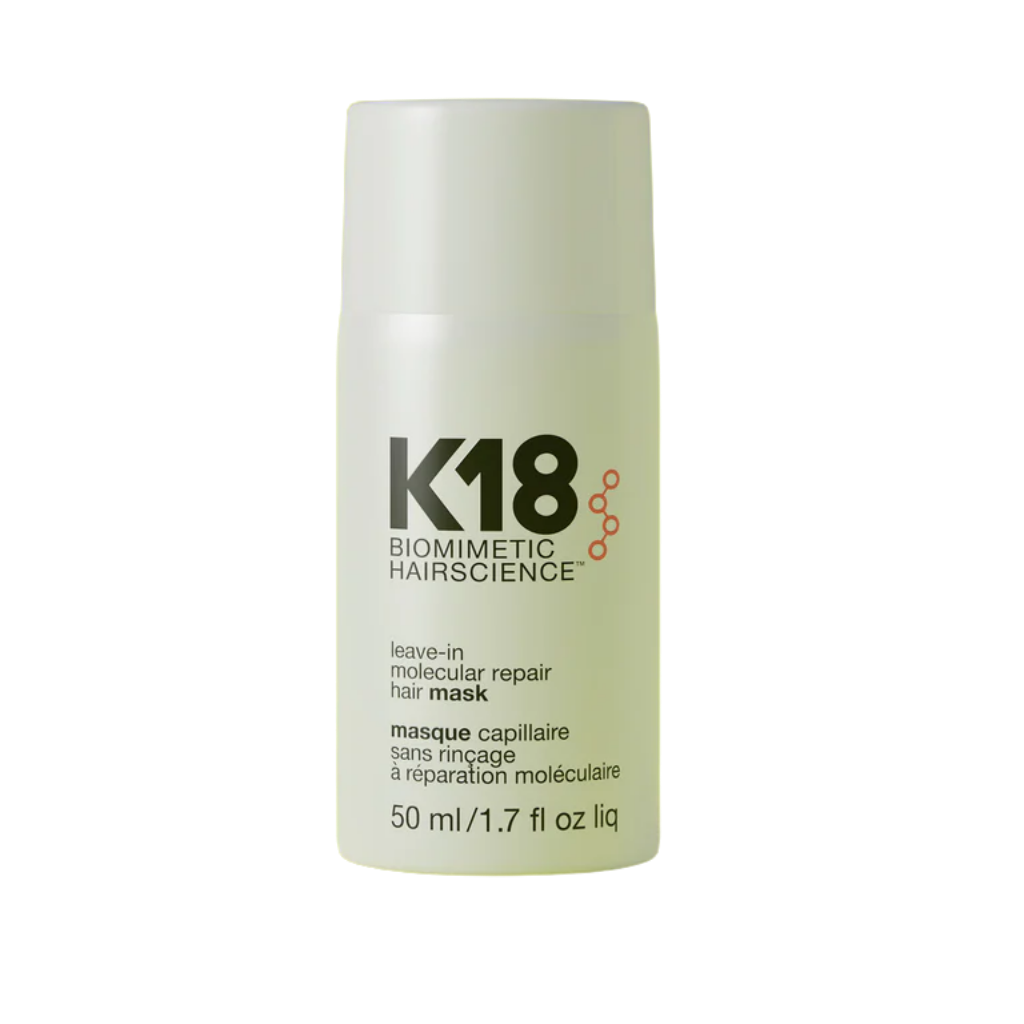
The K18 Leave-In Molecular Repair Hair Mask is probably one of the most recognizable bond repair treatments right now for a reason. This is the category of product I think makes the most sense when the hair feels compromised from repeated heat styling, color, relaxers, or overall stress over time. My hairstylist actually recommended a routine where I can still incorporate a moisturizing deep conditioner while properly using K18 the way the brand suggests. Since K18 recommends applying it to clean, non-conditioned hair, she suggested doing a very light moisturizing shampoo again after deep conditioning before applying the treatment. That way the hair still gets the moisture benefits from the deep conditioner while allowing the K18 to properly penetrate afterward.
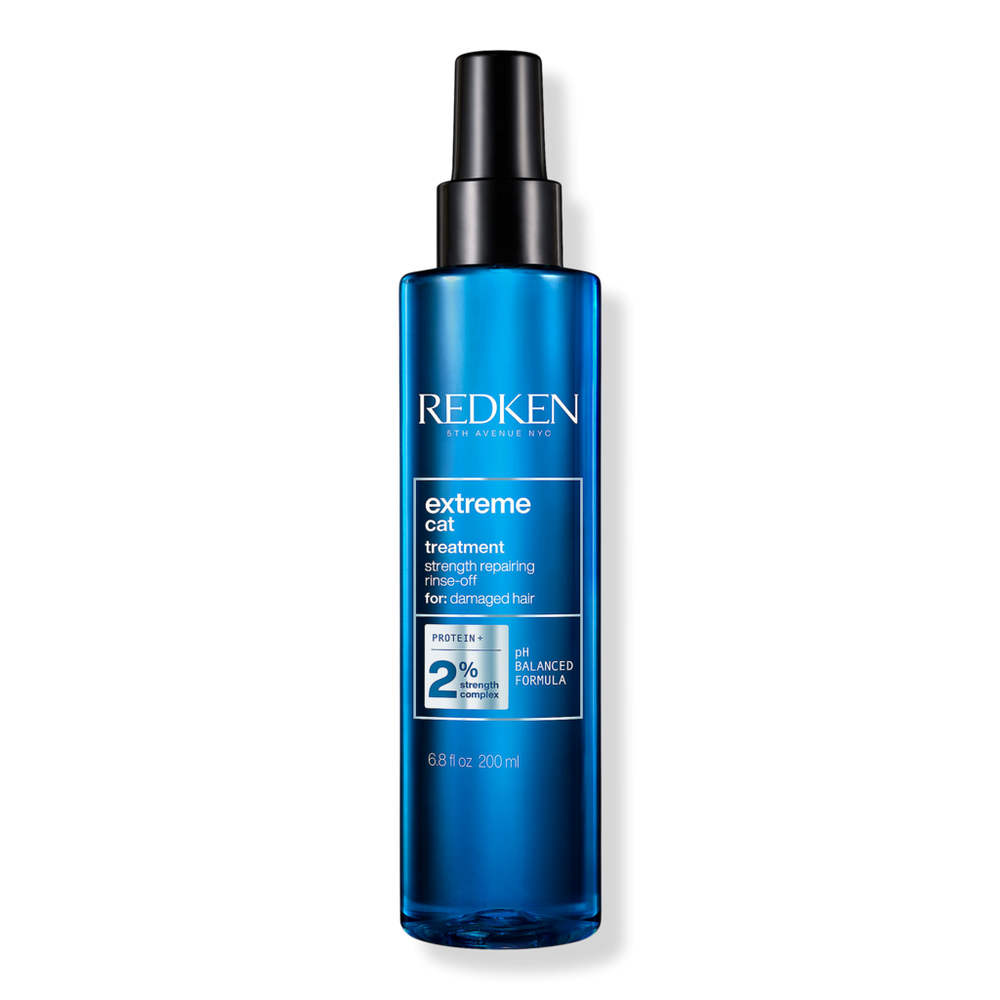
For protein, I really like the Redken Extreme CAT Anti-Damage Protein Reconstructing Rinse-Off Treatment. My stylist specifically recommended this before any direct heat styling routine because it helps reinforce and support the hair beforehand. This is the type of treatment I’d think about when the hair feels overly soft, weak, stretchy, or like it’s struggling to hold structure the way it normally does. I also like that it feels supportive without immediately pushing the hair into that hard, brittle feeling that can happen when protein gets overused.
I'd Buy It Again!

The Olaplex No. 5 Leave-In Moisturize & Mend Leave-In Conditioner is one of my favorite places to start layering heat protection because I already like the way it makes my curls look before I even get into heat styling. My curls tend to look juicy, clumped, soft, and more hydrated when I use it, which usually tells me the hair is in a better place overall going into the styling process. I also like that it multitasks by helping with moisture, softness, frizz, detangling, and heat protection all in one step instead of feeling like just another product sitting on top of the hair.
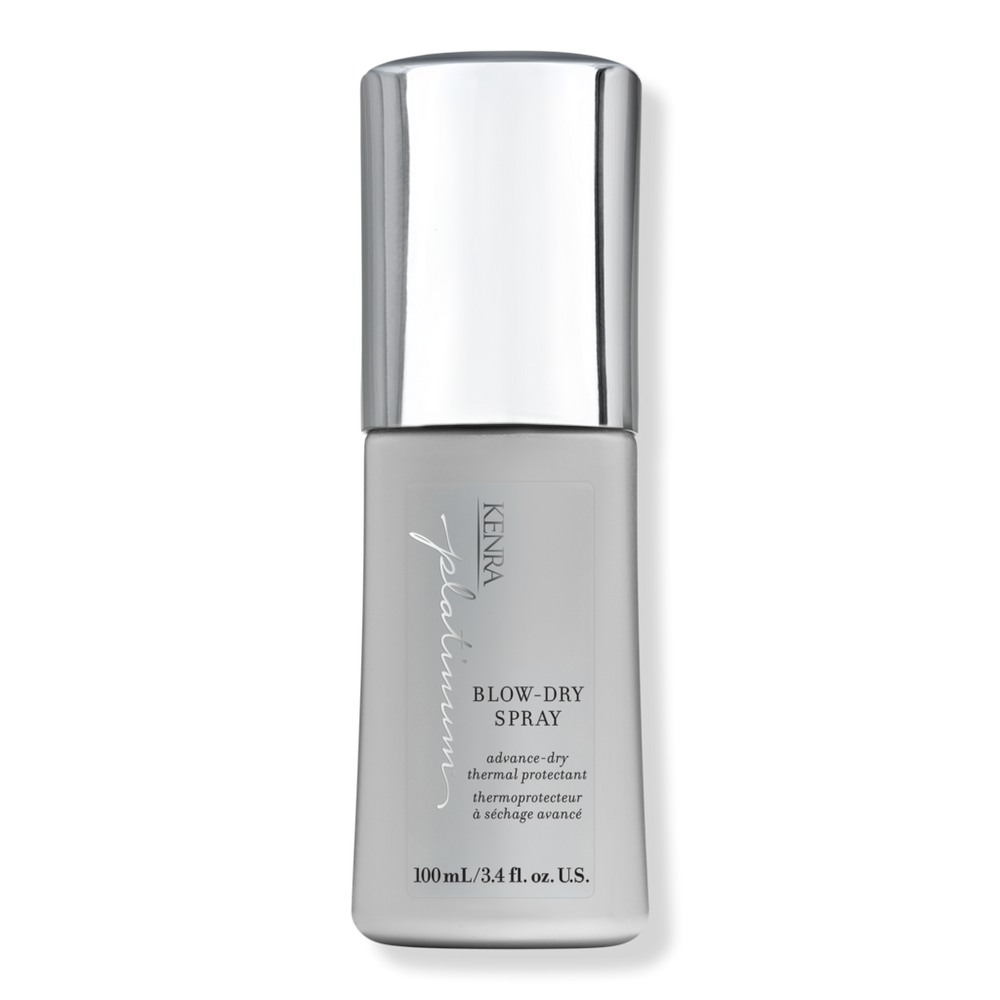
The Kenra Platinum Blow-Dry Spray is probably one of the products I notice the most immediate difference with during blow drying. The heat protection level is lower than some heavier-duty thermal protectants, but I think the tradeoff makes sense because it dramatically cuts down blow dry time while making the hair feel noticeably softer, smoother, and shinier almost instantly. I especially like this category of product for silk press prep because less drying time can also mean less prolonged heat exposure overall.
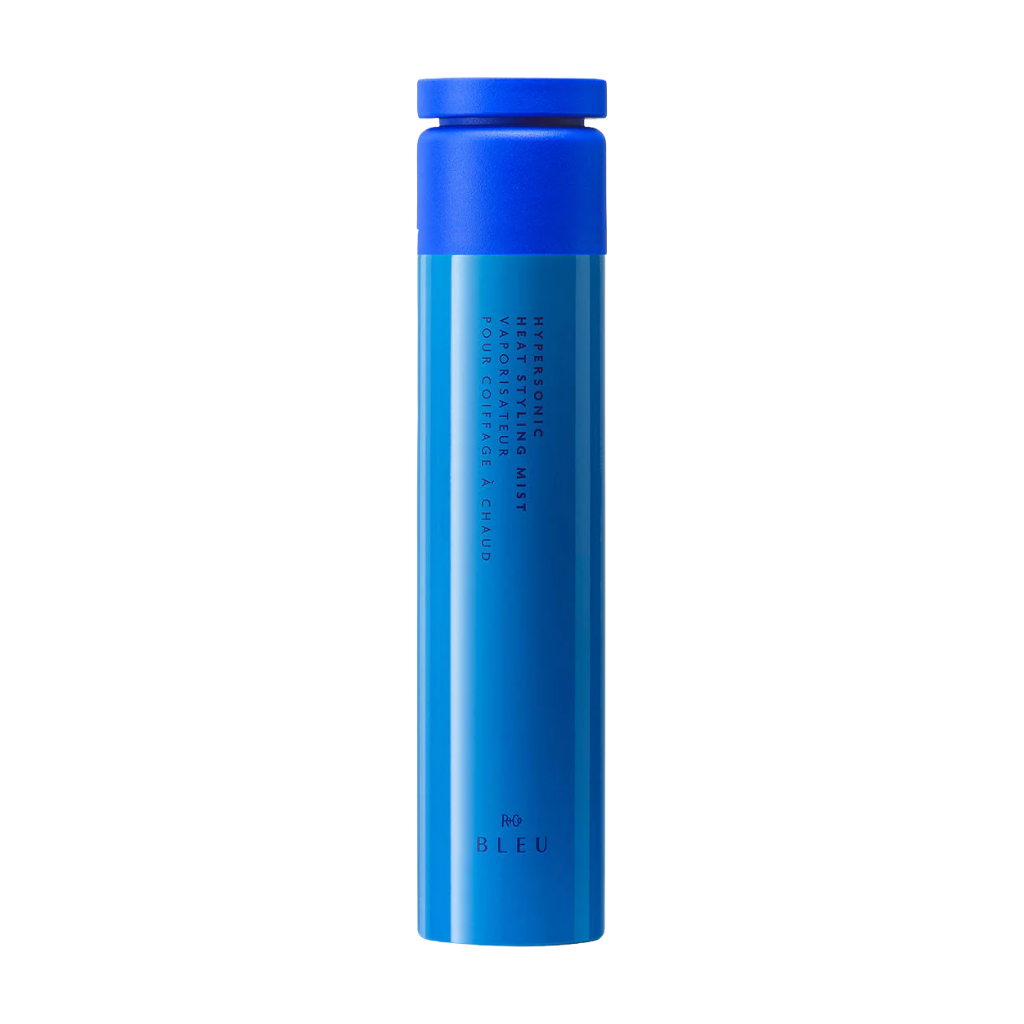
And for direct heat styling, I really like the R+Co Bleu Hypersonic Heat Styling Mist. It’s definitely more of a luxury product, but there’s a reason so many professionals love it. I like that it gives the hair a little memory and hold without crossing over into hairspray territory or making the hair feel stiff. It still leaves movement in the hair while helping styles last longer, which is really important when you’re trying to maintain body and flexibility instead of that overly sprayed, frozen feeling.
4. Heat Protection at Every Step
Not just before flat ironing
One thing I shout from the rooftops is to use heat protection at every step after the shower. Heat damage is usually cumulative, meaning small amounts of damage over time can still add up.
I also think technique matters just as much as the product itself. You can have the best heat protectant in the world and still fry your hair if your tool is too hot or if you’re relying on the heat protection from your leave-in conditioner while going in with curling iron pass number two. Heat protection works best in layers.
For me, that usually looks like:
- a leave-in conditioner with heat protection
- a blow dry cream with heat protection
- a serum with heat protection
- then a spray for hold, texture, or additional protection before each direct heat styling tool or application
I think a lot of people hear “heat protectant” and imagine one magical spray that cancels out whatever temperature you decide to put your hair through, but protecting your hair really comes down to creating multiple layers of support throughout the styling process.
As someone whose primary hair goal is being able to wear my hair both straight and curly without heat damage, learning how to protect my hair during every phase of styling is the reason I’m able to do both today.
5. A Heat Tool That Actually Matches Your Hair Goals
The “best” tool depends on the result you want
There really is no one universal “best” heat tool or perfect combination of them. A lot of it depends on your goals, your texture, your skill level, and how much heat your hair can realistically tolerate over time.
I personally still love an old-fashioned blow dryer with a concentrator nozzle, sectioning my hair out and using a paddle brush to create maximum tension. For me, nothing really replaces the control and smoothness I can get from that technique when I take my time. But for someone else, that may feel overwhelming, overly time consuming, or harder to execute consistently on themselves.
The RevAir, for example, is great for people who want stretched hair with potentially less direct heat exposure and manipulation. I also think it can be really helpful for people who struggle with coordinating a blow dryer and brush at the same time or who simply want a more streamlined wash day experience.
Blow dryer brushes can also be a good option because they’re convenient and can create a really pretty, voluminous blowout. But because they combine tension and heat simultaneously, they can absolutely become damaging if overused. And pleeeaaasseeee remove the shed hair from those brushes and wash them with soap and water occasionally. A lot of people forget they’re repeatedly putting heat on top of built-up product, oils, and trapped hair every single week.
Then you have the ceramic versus titanium flat iron debate. Ceramic plates usually heat more evenly and are often better for finer hair types or people who prefer fewer harsh temperature spikes. Titanium flat irons heat up faster and hotter, which can be useful for denser or coarser hair, but they can also go left very quickly if your technique is aggressive. I’ve had success using both, but I’ll personally be sticking to ceramic moving forward because I just don’t want to risk unnecessary heat damage.
And this may be unpopular, but “bone straight” and “healthy hair” do not always naturally coexist without intention. Sometimes prioritizing your hair’s health means being flexible about the end result. Every week I’m not silk pressing my hair on 370 degrees. Some weeks I might do a wash and go, a braid out, or a blowout with curls so I’m only using one layer of direct heat instead of multiple. It’s all a balance.
That said, the smoother the blow dry is, the smoother the silk press will usually be overall. Sometimes people end up overusing their flat iron trying to compensate for a blow dry that wasn’t fully stretched or smooth in the first place.
What i use
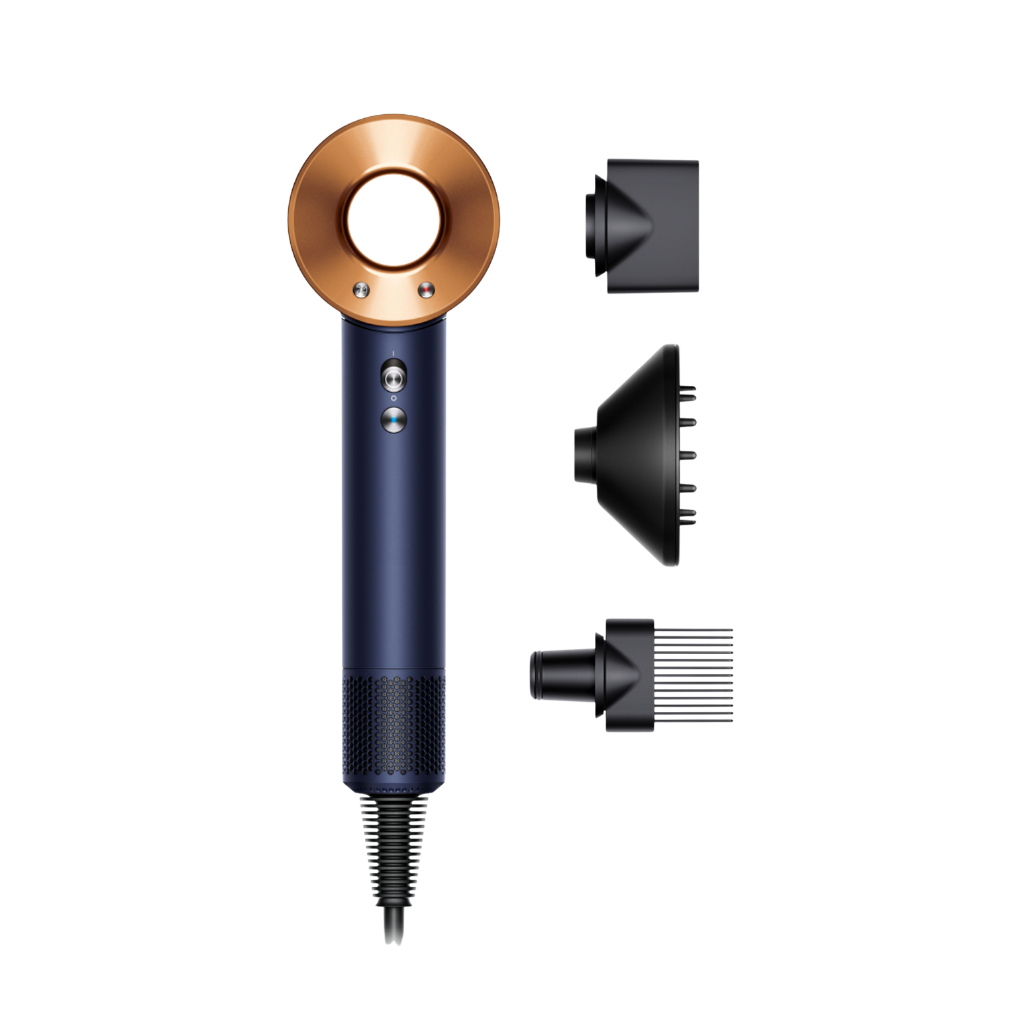
I’ve been using the Dyson Supersonic Hair Dryer since 2020. I’ve tried a few other dryers over the years, but I always end up coming back to this one. Honestly, I’m not convinced that you need this exact dryer specifically, and there are definitely newer dryers on the market now that are clearly inspired by it that I’d probably tell someone to try before immediately investing in something this expensive. That being said, I really do love how strong the airflow is, and the nozzle attachments work really well for the way I style my hair. Mine is also still going strong almost 6 years later, which does says a lot considering how often I use heat.
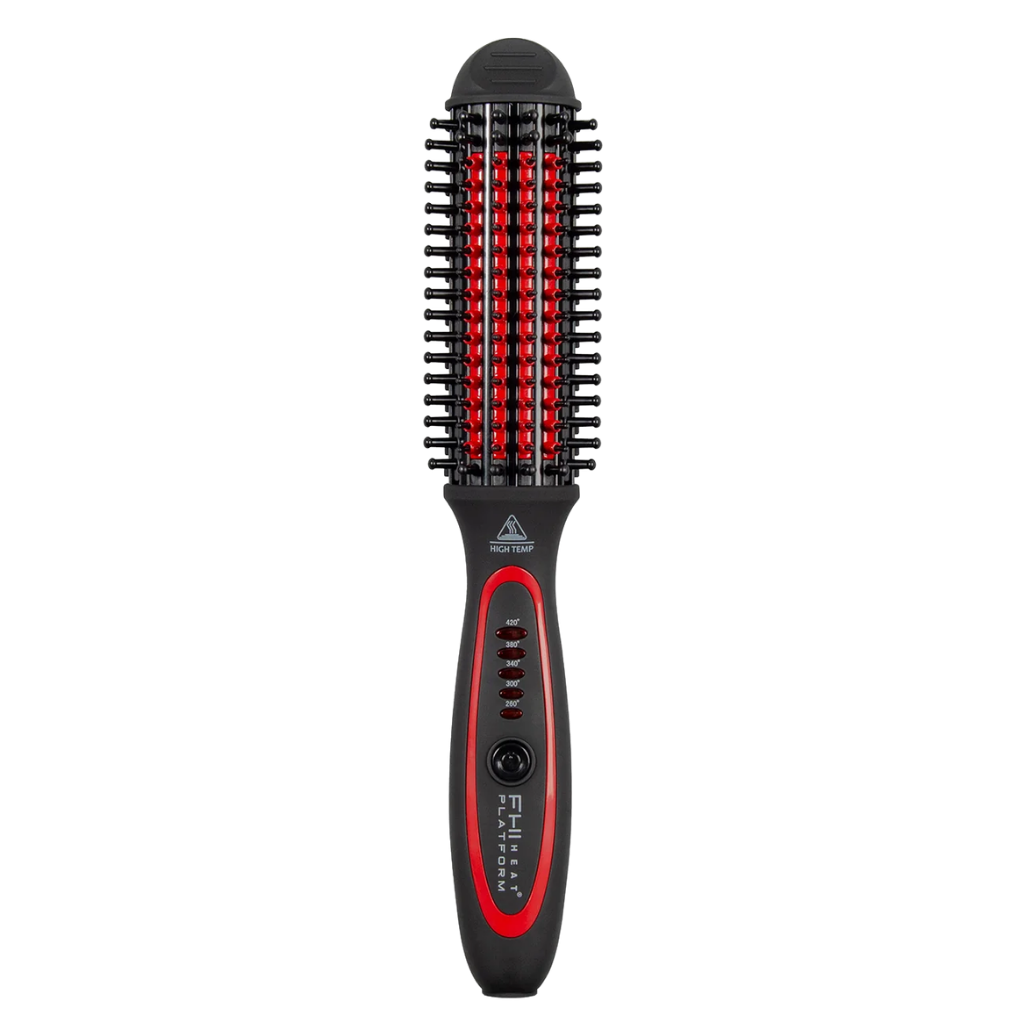
For blowout styles, I really like the FHI Heat Thermal Styling Brush. I think this is especially good for Black hair because it has enough heat settings to work across different textures while still giving you flexibility with the end result. It smooths my hair really nicely, but still leaves a little texture and fullness behind instead of making the hair overly flat immediately. That combination usually gives me the maximum volume that I personally love in a blowout.
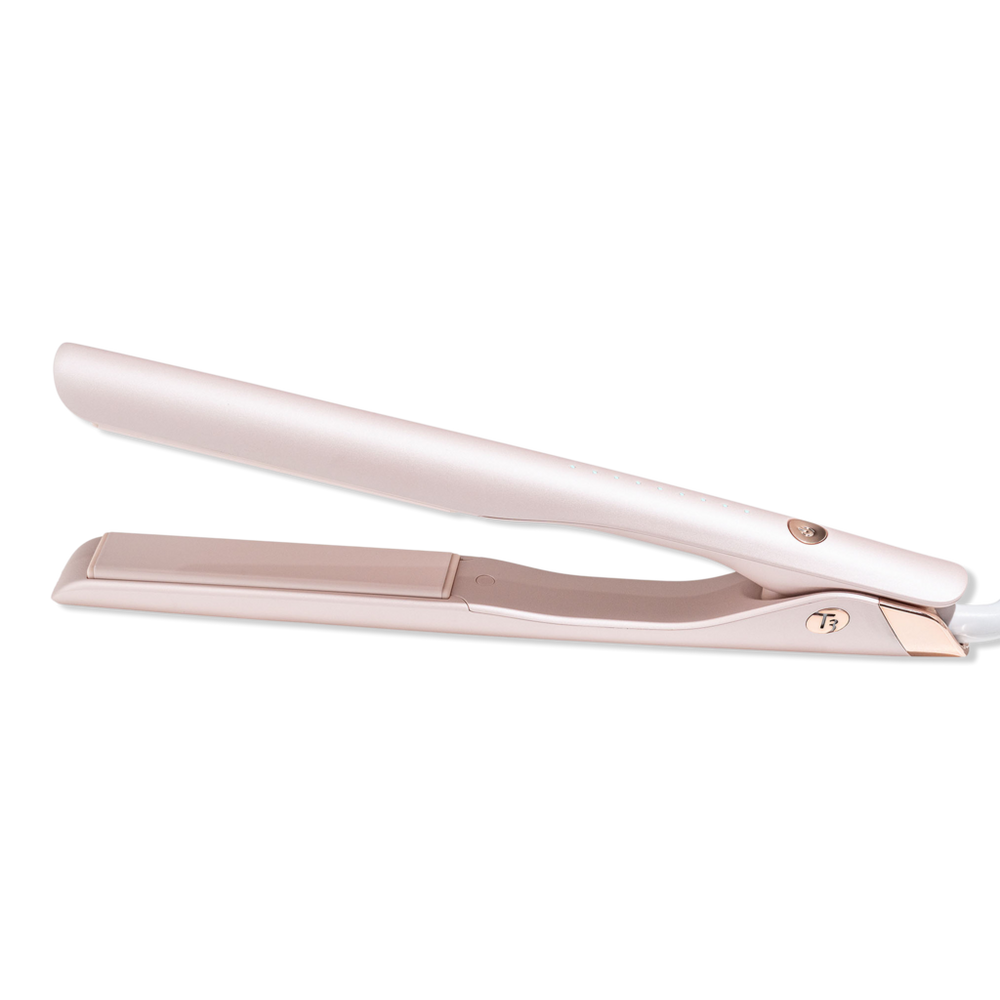
The T3 SinglePass Smooth X Flat Iron is the ceramic iron I’ve been reaching for lately. I originally bought it because of a recommendation from Justin’s Revenge after all the titanium flat iron discourse started making me nervous. I realized the “ceramic” iron I thought I had before was actually pulling at my hair pretty badly, and this one feels significantly smoother during styling. It creates really sleek results without snagging, and I love that it remembers your heat settings so you’re not constantly readjusting it every time you style your hair.
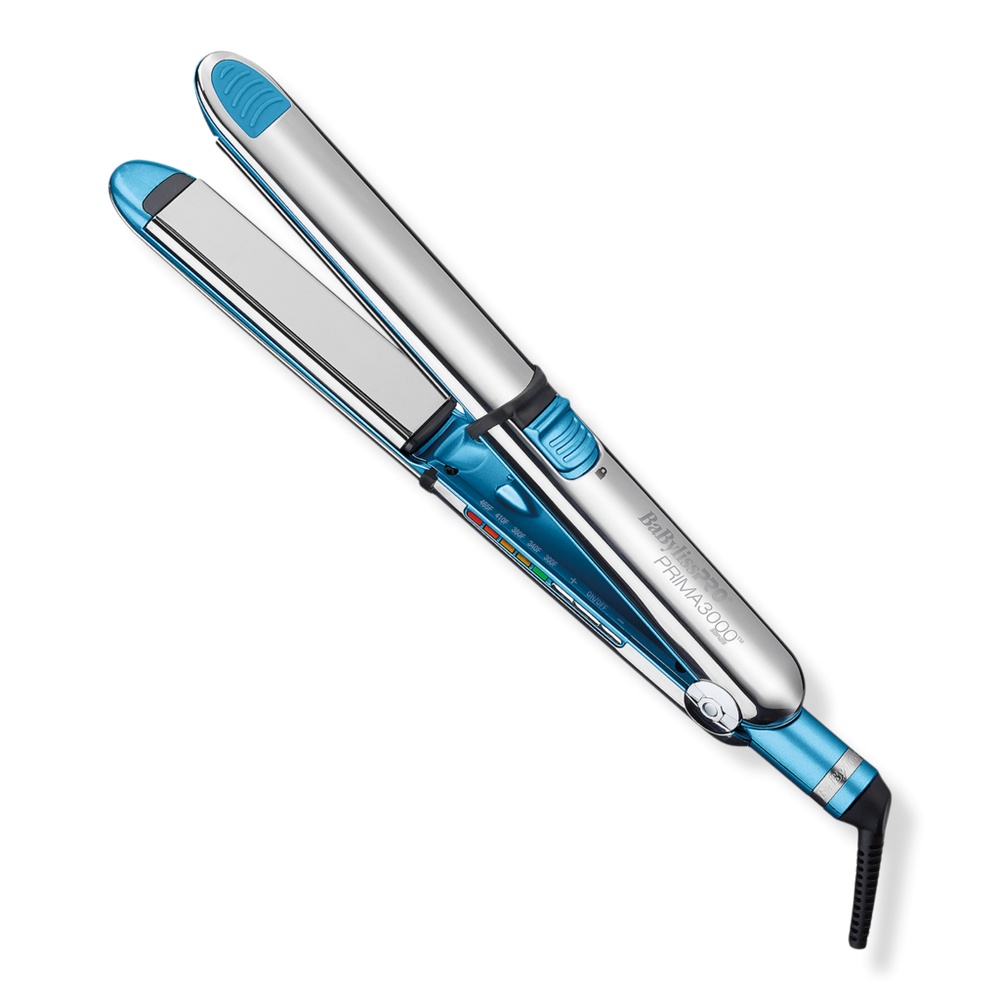
And then there’s the BaBylissPRO Nano Titanium Prima Styling Iron, which was absolutely my go-to during my relaxed hair days when I truly only cared about getting the straightest possible result. While I probably wouldn’t use this iron week after week now, I can still use it at lower temperatures — around 340 (for a soft press) to 380 max when I want the silkiest finish possible. I also really like that I can take larger sections with this iron and still get smooth results efficiently. And no shade. I still think titanium irons eat on extensions.
Bonus: A Multivitamin
Sometimes your hair routine isn’t the problem at all, which can be frustrating to realize.
Hair health more often than not reflects what’s happening internally. Things like stress, protein intake, iron levels, hormonal shifts, and vitamin deficiencies can all impact shedding, breakage, density, and overall hair quality.
As a Black woman specifically, vitamin D is something worth paying attention to because melanin naturally reduces the skin’s ability to synthesize vitamin D efficiently from sunlight. And in my case, having VSG surgery means vitamins aren’t optional for me — they’re lifelong maintenance.
I’ve personally had major hair setbacks from my vitamin levels getting way too depleted. Sometimes you’re buying more oils, more masks, and more edge serums when the conversation may actually need to start with nutrition and deficiencies first.
If you feel like your hair is suddenly shedding excessively, thinning, breaking more than usual, or just not responding the way it normally does, these are some labs worth asking your doctor about:
Labs Worth Asking About
- Vitamin D
- Ferritin + Iron
- CBC
- Zinc
- Vitamin B12
- CMP
- Thyroid Panel

I’ve tried different vitamins over the years, including MaryRuth’s, but lately I’ve really been enjoying the Me & Baby Prenatal Vitamins. Obviously talk to your doctor before starting any supplement routine, especially prenatals, but I’ve noticed a difference in how I feel overall when I’m consistent with taking them.
Healthy hair starts wayyyyy before the styling step.
A lot of healthy hair is honestly just maintenance. Moisture, balance, heat protection, consistency, and knowing when to leave your hair alone probably matter more than constantly buying something new.
Once I started focusing more on strategy instead of trying every viral product release, my hair became a lot easier to manage. Always down to chat in the comments here or on my other socials so make sure you’re following me!
xx- ebony e.